
Setting the standards for safe microneedling
sharp standards: a good practice guide
A comprehensive good practice guide developed by Dermalogica in partnership with BABTAC.
what is sharp standards?
Sharp Standards is a good practice guide and toolkit for skin care clinics and non-medical aesthetics businesses across the UK.
The guide draws on public health legislation and environmental health standards across England, Scotland, Wales and Northern Ireland, complementing local authority licensing frameworks.
why sharp standards matter
Developed by Dermalogica in partnership with BABTAC, it helps practitioners meet their legal, ethical and professional obligations when delivering microneedling treatments.
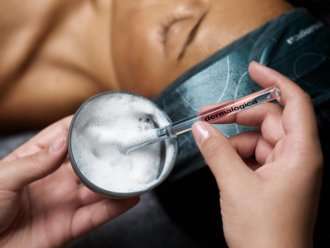
client safety
Microneedling involves blood-contaminated materials and hazardous substances. Without proper protocols, practitioners risk needlestick injuries, client infections and potential legal action.
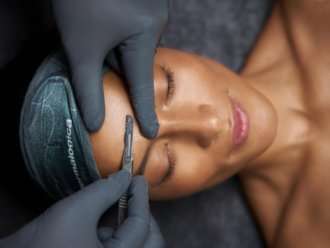
regulatory landscape
New legislation is creating mandatory licensing frameworks for non-surgical cosmetic procedures across the UK. Practitioners who prepare now will be best positioned.
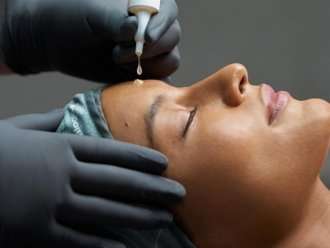
credibility and trust
Consistent, auditable standards build long-term client confidence and strengthen your professional reputation.
a good practice guide to microneedling
developed in partnership with BABTAC
Sharp Standards was developed with BABTAC, the leading professional body for the beauty and aesthetics sector in the UK. Both organisations share a common objective: to elevate standards of professionalism and protect the credibility of the sector in a fragmented regulatory landscape.
what the guide covers
Sharp Standards is structured as a practical, action-oriented toolkit. It covers every aspect of safe, compliant microneedling practice.
A comprehensive overview of UK-wide and nation-specific legistlation governing microneedling, clear guidance on what each law requires and how to comply.
Detailed standards for treatment rooms, equipment selection and maintenance, and infection control procedures.
Protocols for clinical assessment, treatment preparations, aftercare, protecting both practitioners and clients.
Guidance on qualification standards, regulated qualifications, internal auditing and building a culture of continuous improvement.
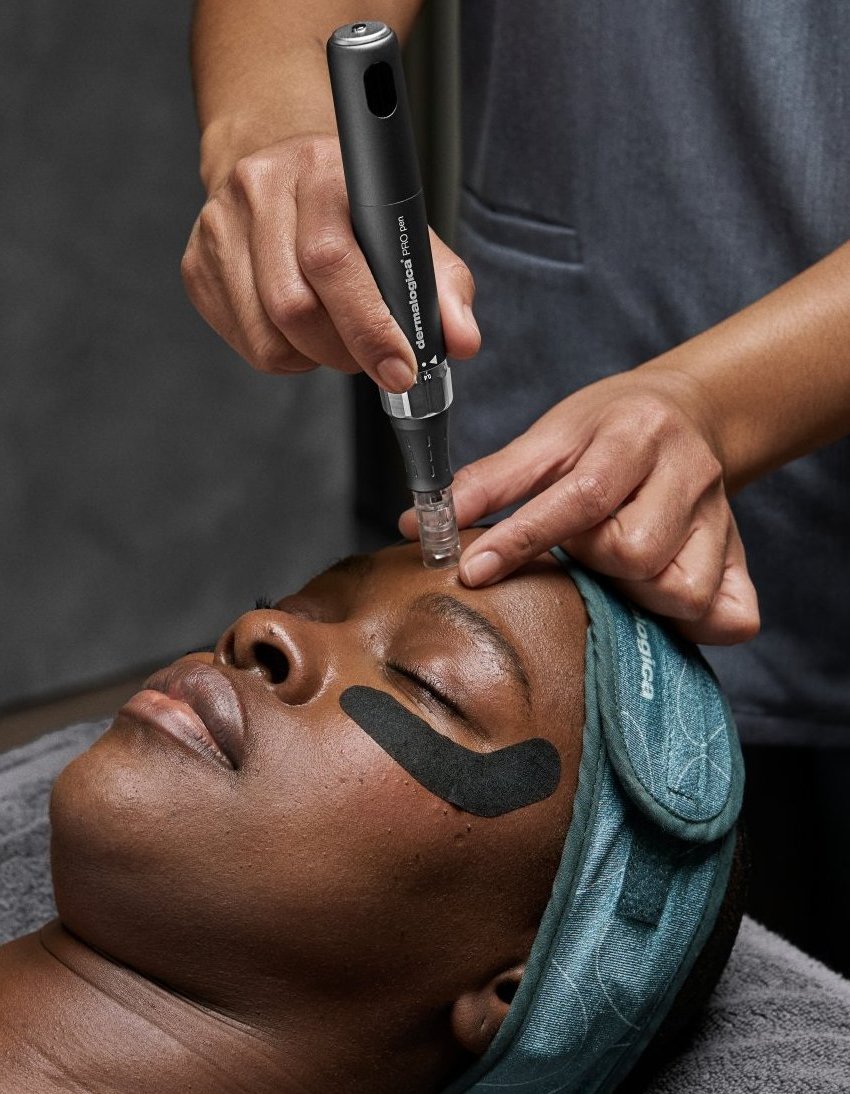
a good practice guide to microneedling
download the guide
Your free, downloadable guide to delivering safe, compliant and effective microneedling across the UK.
treatment template downloads
Access the free consent forms, helping you to stay accountable and compliant in your microneedling practice.
FAQ
Your questions answered
What is Sharp Standards?
A good practice guide and toolkit for UK microneedling practitioners, developed by Dermalogica in partnership with BABTAC. It covers legal requirements, safety protocols, client care and quality assurance.
Who is Sharp Standards for?
Skin care clinics, non-medical aesthetics businesses, individual practitioners and training providers offering microneedling in the UK.
Do I need a license for microneedling in England?
The Health and Care Act 2022 is introducing a mandatory licensing scheme for non-surgical cosmetic procedures. Many local authorities already classify microneedling as skin-piercing under the Local Government (Miscellaneous Provisions) Act 1982. Check with your local council.
What license do I need for microneedling in Wales?
Wales requires mandatory licensing under the Public Health (Wales) Act 2017. Both practitioners and premises must be licensed. Operating without a licence is a criminal offence.
Is microneedling regulated in Scotland?
The Non-Surgical Procedures and Functions of Medical Reviewers (Scotland) Bill is currently awaiting Royal Assent. Once enacted, it will introduce statutory licensing for non-surgical cosmetic procedures including microneedling.
What are the microneedling regulations in Northern Ireland?
District councils operate registration schemes for skin-piercing. Microneedling currently falls outside the scope of these by-laws, but following best practice demonstrates professionalism and supports safe practice.
What qualifications do I need for microneedling?
A Level 4 regulated qualification in microneedling or skin needling is the recommended minimum for cosmetic procedures, supplemented with infection prevention and control training, first aid certification and 12–20 hours of CPD per year.
Is the Sharp Standards guide free?
Yes. Sharps Standard is freely available to all professional skin therapists.